Most students spend years thinking about the dissertation, research, or final defense. The graduation outfit usually becomes important much later, often just a few weeks before commencement. That is when many doctoral graduates realize the regalia is different, too, especially the doctoral hat.
A quick search brings up several terms at once. Doctoral hat, doctorate hat, doctor hat, doctoral tam. For someone ordering regalia for the first time, the differences are not always obvious. Some universities require specific tam styles. Others allow graduates to choose between different shapes, tassels, or velvet finishes.
At first, those details do not seem like a big deal. Then graduation day gets closer, and suddenly things like fit, sizing, or even the way the tam looks in photos start mattering a lot more than expected. This guide walks through the different doctoral hat styles, what actually changes from one to another, and a few things worth checking before ordering your regalia.
What Is a Doctoral Hat?
A doctoral hat is the academic cap worn during doctoral graduation ceremonies. In most universities, doctoral graduates wear a velvet tam instead of the flat mortarboard used for undergraduate degrees. The softer shape and formal design make doctoral regalia easy to recognize during commencement.
People often use different terms for the same piece of headwear, including hat, doctorate hat, doctor hat, and doctoral tam. The wording changes from one school or regalia provider to another, though the overall purpose stays the same.
Doctoral Tam vs Traditional Graduation Cap
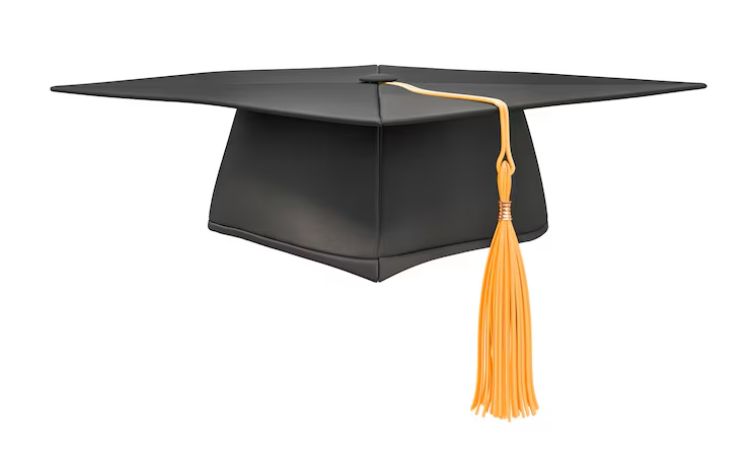
Most undergraduate students wear a square graduation cap with a stiff flat top. Doctoral hats look different right away. A doctoral tam has a softer shape and usually sits lower around the head compared to a standard mortarboard. The distinction is mostly tied to academic level. Universities use different regalia styles to separate bachelor’s, master’s, and doctoral graduates during commencement ceremonies.
Why Doctoral Graduates Wear Velvet Tams
Velvet has traditionally been associated with doctoral regalia because it gives the attire a more formal appearance. Many doctoral hats also include gold tassels or bullion tassels that match the ceremonial style of the gown and hood. The details vary between universities, though velvet tams remain one of the most common choices for doctoral graduations.
Types of Doctoral Hats Explained
Once students start looking at doctoral hats, the differences become easier to spot. Some tams look compact and understated. Others sit wider and draw more attention during commencement. The choice usually depends on university guidelines, personal preference, and how formal the graduate wants the regalia to feel on stage.
4-Sided Doctoral Tam
A 4-sided doctoral tam has a simpler shape than most other doctoral hats. It sits closer to the head and does not appear as wide during the ceremony. Some graduates like that cleaner look, especially when the rest of the regalia already feels detailed enough. The lighter shape can also feel easier to manage during long commencements.
6-Sided Doctoral Tam
The 6-sided tam falls somewhere between minimal and traditional. It has more volume than a 4-sided version, though it still avoids the wider, rounded look seen in larger tams. This style appears at many doctoral graduations because it works well with different gown styles without looking too plain or too oversized.
8-Sided Doctoral Tam
An 8-sided doctoral tam usually has the fullest shape of the common tam styles. The extra panels create a broader silhouette that becomes more noticeable once the hood and gown are fully worn together. Many PhD graduates choose this style for larger university ceremonies and formal commencement events.
Soft Tam vs Structured Academic Cap
Some doctoral hats feel relaxed and flexible right away. Others keep a firmer shape from start to finish. Soft tams tend to move more naturally and can feel less stiff during longer ceremonies. Structured caps hold their shape better in photos, especially outdoors or in windy conditions. Graduates usually choose based on comfort, fit, and the overall look they want on graduation day.
How to Choose the Right Doctoral Hat for Graduation?
Choosing a doctoral hat gets easier once you narrow down what actually matters. Many graduates focus on the style first, then realize later that university rules, sizing, or regalia matching matter just as much.
Check Your University’s Regalia Requirements
Some universities require a specific doctoral tam style for commencement. Others give graduates more flexibility. The guidelines may include tassel colors, velvet details, or approved regalia combinations. It is worth checking those requirements early. A tam that looks correct online may not match what the university expects during the ceremony.
Choose the Right Size and Fit
A doctoral hat should stay secure without feeling distracting after an hour or two. Large commencement ceremonies can run longer than expected, especially at major universities. Most regalia providers size doctoral hats using standard head measurements. Measuring beforehand usually prevents unnecessary adjustments later.
Consider Velvet Quality and Tassel Style
Not all velvet looks the same once it is worn under stage lighting or outdoor sunlight. Some hats have a smoother finish, while others crease more easily after shipping or storage. Tassels vary, too. Some graduates prefer a cleaner look, while others choose bullion tassels because they match more traditional doctoral regalia.
Match Your Doctoral Hat With Your Gown and Hood
A doctoral hat should not look disconnected from the rest of the regalia. Small details like velvet shade, tassel color, or trim become easier to notice once the doctoral gown and hood are worn together. Looking at the full set before graduation day usually helps avoid awkward mismatches later.
Common Mistakes Students Make When Buying Doctoral Hats
A lot of students leave regalia shopping until the last minute. That is usually when sizing problems start. By then, some styles are already sold out, and the remaining options may not match the rest of the graduation outfit very well.
University guidelines get missed, too. A doctoral hat that looks correct on a product page may not follow the school’s commencement requirements. Some graduates only notice the difference during rehearsal or the day before graduation. Fit causes more problems than people expect. A tam that feels loose at home can become distracting during a long ceremony, especially outdoors.
Some students also wait too long to try on the full regalia together. That is when small details start standing out. The velvet shade looks slightly different. The tassel color does not match the hood properly. The trim feels off once everything is worn together. Most of these problems are avoidable with a little extra time before graduation week.
How to Wear a Doctoral Hat Properly During Graduation?
A doctoral tam usually sits lower than a standard graduation cap, so the fit can feel slightly different at first. Once the ceremony begins, the doctoral hat should stay in place without needing constant adjustment.
A few small details help:
- The tam looks best when it sits level across the head instead of leaning too far forward.
- Tassel placement depends on the university. Some graduates leave it on one side for the entire ceremony.
- Wind can shift lighter tams during outdoor commencements. Some students use small pins to stop the hat from moving too much.
- A lot of graduates do not try the full regalia on together until the night before graduation. That is usually when fit problems start showing up.
Photos can change the way a doctoral hat looks, too. A tam that feels slightly large indoors may look completely normal once the gown and hood are worn together.
Final Thoughts
Most graduates spend years focused on research, coursework, and dissertation deadlines. The regalia usually becomes important much later, often close to commencement. That is when small details start standing out, especially the doctoral hat. The right tam does not need to feel overly formal or complicated. It simply needs to fit well, match the university’s requirements, and feel comfortable enough for a long graduation day. Once the full regalia comes together, most students realize the details matter more than expected. A little preparation beforehand usually makes the entire ceremony feel much smoother.
FAQs
How is a doctoral cap supposed to fit?
A doctoral cap should feel secure without pressing too tightly around the head. Most doctoral tams sit slightly lower than standard graduation caps and should stay in place without constant adjustment during the ceremony.
What is the difference between a doctoral tam and a graduation cap?
A doctoral tam has a softer velvet design, while a standard graduation cap usually has a flat square top. Most doctoral graduates wear tams as part of formal doctoral regalia during commencement.
How do you make a doctoral cap look good?
A doctoral hat usually looks better when it sits level across the head and matches the gown and hood properly. Many graduates try the full regalia on beforehand to check the overall fit and positioning.
Do doctoral graduates wear the same cap as undergraduate students?
No. Undergraduate students commonly wear mortarboards, while doctoral graduates usually wear velvet tams designed specifically for doctoral ceremonies and advanced academic regalia.