


A graduate walks off the stage, looks down at the cover, and sees a logo that’s flat, dull, and easy to miss. That’s a frustrating result after months of ceremony planning, and a metallic finish usually fixes it.
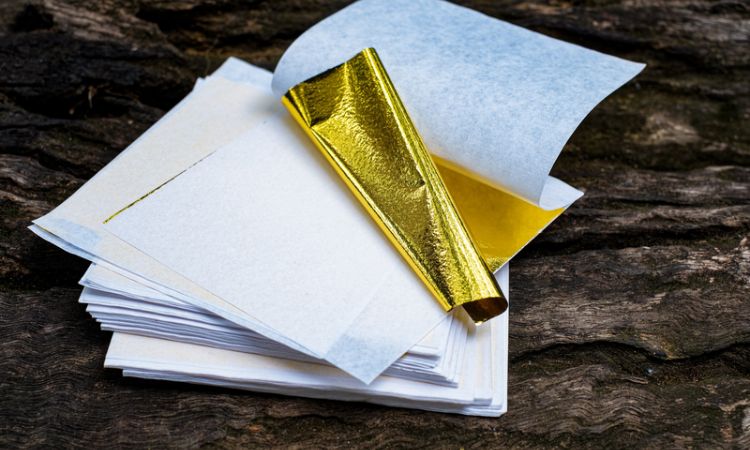
So, what is foil stamping? It’s a dry printing method that presses a thin layer of metallic foil onto a surface with a heated metal die, and no ink is involved. On custom diploma covers, that means a gold or silver seal that actually catches the light. This guide explains how it works, which finishes exist, and how to choose the right one.
What Is Foil Stamping in Printing?
The term gets used loosely, and a few look-alike methods cause mix-ups. This section covers what the process is and why it looks so different from regular printing.
What foil stamping means?
Foil stamping is also called hot stamping or hot foiling. A press heats a metal die and pushes it against a roll of foil, so the foil sticks only where the die touches. Because the shine comes from real foil and not printed color, it reflects light in a way ink can’t copy.
What materials and equipment are involved?
Four things are involved in every job:
- A metal die: an engraved plate, often made of brass, copper, or magnesium, shaped like the artwork.
- Foil: a thin roll with a color layer, a carrier film, and a glue layer that activates with heat.
- A press: a machine that heats the die and applies steady pressure.
- The cover material: paper, card, leather, leatherette, or vinyl.
What makes foil stamping different from ordinary printing
Ordinary printing places ink on top of a surface. Foil stamping presses a solid film into it, which leaves a slightly pressed-in edge you can feel. Foil is also opaque, so gold stays bright on a black or navy cover where ink might look weak. The downside is that every design needs its own die, so the method is worth it for logos and seals that get reused.
How Does Foil Stamping Work?
Each step shapes how sharp the final seal turns out. A weak file or the wrong foil shows up on every cover in the order, so the sequence matters.
- Prepare the artwork: the logo or seal becomes a crisp, single-color vector file.
- Choose the foil and material: the foil color and cover surface are matched, since the same foil can look different on smooth and textured finishes.
- Make the die: a metal die is etched from the artwork.
- Transfer the foil: the heated die presses foil against the cover. Heat and pressure release the color layer from its carrier film and bond it permanently, only where the die makes contact.
- Inspect the result: covers are checked for gaps, fuzzy edges, and correct placement.
Cold foil and digital foil printing exist too. Hot foil stamping is the traditional method, and it’s the one behind hot foil imprinting on diploma covers.
What Types of Foil Stamping Finishes Are Available?
Foil isn’t a single look, because color and surface change how a cover reads from across a room. Gold and silver cover most requests, though a few other options are worth knowing.
Gold foil stamping
Gold is the classic choice for seals, school names, and graduation dates. It looks formal and traditional, and it stands out on dark covers such as black, navy, green, and burgundy. For a ceremonial feel, gold is a top choice.
Silver foil stamping
Silver gives a cooler, more modern look. It works well on navy and black covers, and it suits schools whose colors include blue or gray.
Other decorative foil finishes
Foil also comes in other colors, and Diplomacovers.net shows red foil on a leatherette cover. Some foils have a matte look instead of a high gloss, and foil can be paired with blind debossing so a seal gets both shine and depth.
Foil Stamping vs. Embossing vs. Screen Printing
These three methods are often mixed up, yet each creates a different look. The table shows how they compare.
| Method | How it works | Look and feel | Best for |
| Foil stamping | A heated die presses metallic foil onto the cover | Shiny and slightly pressed in | Names, seals, and logos that must stand out |
| Embossing | A die raises the design above the surface, with no foil or ink | Raised, same color as the cover | Subtle seals on leather or thick leatherette |
| Blind debossing | A die presses the design into the surface, with no foil or ink | Pressed in, same color as the cover | Quiet, formal styling |
| Screen printing | Ink is pushed through a mesh stencil | Flat color, including white or yellow | Multi-color logos and light colors on dark covers |
The word blind in blind debossing means no foil or ink is used. The design shows only through pressure, so it works best on soft, thick materials like leather and leatherette. Blind debossing looks classy, but it nearly disappears in photos and from a few steps away. When the school name has to read instantly, foil wins.
Schools considering all three can find more ideas in this guide to ways to customize a diploma holder.
Where Is Foil Stamping Used on Diploma Covers?
On a diploma cover, foil goes where the eye lands first. Some details deserve the shine, and others look better plain.
School names and university logos
The front cover is the main spot. A foil school name or logo gives every graduate the same polished look in ceremony photos. The same approach works for certificate holders handed out at award events and training programs.
Institutional seals and graduation details
Seals are a natural fit for foil because a metallic finish suits formal documents. Graduation years and department names fit here too. Seals often carry fine detail, so a simplified version with thicker lines usually stamps better than the original. Diplomacovers.net shows one example as a gold seal on a black leatherette certificate cover.
Personalized text and commemorative designs
Foil can also carry each graduate’s name, which Diplomacovers.net shows as a personalization option. Anniversary years, event dates, and special award titles work well too. For a wider look at sizes, colors, and layouts, the guide to custom diploma covers covers the basics.
What Are the Benefits and Limitations of Foil Stamping?
Foil looks great in photos, but it isn’t right for every cover or budget. A fair look at both sides saves headaches later.
Benefits of foil stamping
- Strong contrast: opaque foil shows up clearly on dark covers.
- Real metallic shine: it reflects light instead of imitating it.
- Durability: the foil bonds to the cover and doesn’t just sit on top.
- Formal look: metallic finishes suit graduations and award events.
- Better value in bulk: the die is a one-time cost, so bigger orders spread it across more covers.
Limitations and factors to consider
- Fine detail can fill in: very thin lines and tiny text may blur or drop out.
- No gradients or photos: foil is either there or it isn’t, so shading isn’t possible.
- One color per die: extra foil colors usually mean extra dies and extra cost.
- Textured or soft surfaces: deep grain or padding can soften the edges of intricate designs.
- Small orders cost more per cover: the die cost weighs heavily when only a few covers are needed.
How Do You Choose the Right Foil Stamping for Diploma Covers?
Picking foil isn’t only about color. The cover material, the design, and the order size decide whether the result looks sharp or muddy. These four checks cover the decisions that matter most.
Check material compatibility
Foil works on leatherette, vinyl, linen-textured paper, and leather, and Diplomacovers.net shows gold foil on several of these. Smooth surfaces give the sharpest edges, while deep grain softens fine detail. The guide on how to select a diploma folder goes deeper on materials and customization.
Choose a suitable finish and readable design
Match the foil to the cover color first. Gold works on black, navy, and green, and silver works on navy and black. Then keep the design bold, with short lines of text, simple shapes, and plenty of space between elements. Thin script fonts are the first thing to fill in, so it’s best to avoid them.
Compare setup costs and order quantities
The die is the main cost driver, and it’s usually a one-time charge for each design. That means a larger order lowers the cost per cover. Using foil only on the seal, instead of every line of text, can also help keep the price down. The post on cost factors of diploma covers breaks down how size, material, and quantity affect pricing.
Review the proof before production
Ask for a digital proof and check it slowly. Look at spelling, dates, spacing, and placement, because a mistake gets copied onto every cover. Once the proof is approved, the die goes into production, so late changes are costly.
How Do You Prepare Artwork for Foil Stamping?
Even a great cover can look weak if the logo file isn’t ready. The die copies whatever it receives, including rough edges and tiny gaps. A few file habits prevent most problems.
- Use vector files: Adobe Illustrator (.ai), EPS, and PDF files stay sharp at any size, while JPG and PNG files don’t.
- Convert text to outlines: this step stops fonts from changing when the supplier opens the file.
- Stick to one solid color: many printers ask for foil areas in solid black, so confirm the supplier’s rule.
- Check line thickness: minimum line weights differ by printer, so ask for the exact number before finalizing.
- Skip shadows and gradients: foil can’t reproduce them.
- Ask for a file check: having the supplier review the artwork before the die is made avoids paying for a second die.
Final Thoughts: Is Foil Stamping Right for Your Diploma Covers?
By now, what is foil stamping should feel less like a printing term and more like a practical choice. The decision comes down to a few clear points, and here’s the short version.
- Choose foil when a name or seal must be seen from a distance, the cover is dark and smooth, and the design is bold.
- Choose blind debossing when a quiet, understated look matters more than shine.
- Plan the order size so the die cost is spread across enough covers.
To see real examples, browse the diploma cover collection, or ask the team for a quote on your logo.
Faqs
What is foil stamping used for?
Foil stamping can be applied to book covers, business cards, invitations, certificates, and diplomas to give them a metallic or colored finish. It is used on the cover of a diploma, mostly for the school name, seal, date, and name of the graduate.
Is foil stamping the same as embossing?
No, they’re different methods. Foil stamping adds a shiny layer of foil, while embossing raises the surface without foil or ink. The two can be combined on one cover when a seal needs both shine and height.
Can foil stamping be used on leatherette diploma covers?
Yes, foil works well on leatherette. Smooth leatherette gives the sharpest edges, and deeply textured finishes can soften small details.
Is gold foil stamping better than silver foil stamping?
Neither is better in general. Gold looks traditional and stands out on dark covers, while silver looks cooler and more modern. The cover color and school colors should make the call.

